Monday, October 28, 2024

Exploring the Benefits of Building a Custom Home

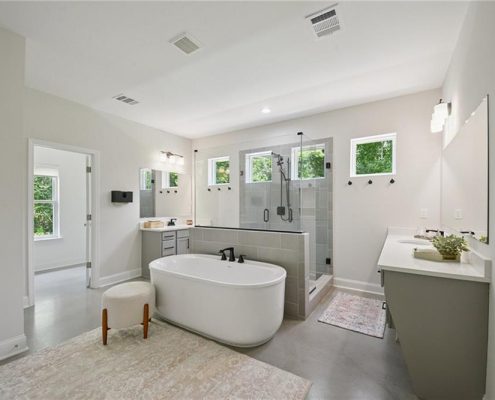
When it comes to creating a unique and personalized living space, custom homes offer an unmatched level of flexibility and customization. Unlike production homes, which adhere to predetermined plans and lots, custom homes provide owners with the freedom to design each detail, from architectural elements to interior finishes. This article delves into the unique benefits of custom homes, exploring how they cater to modern lifestyles, embrace sustainability, and facilitate multi-generational living.

The Distinction of Custom Homes

A custom home is more than just a house; it's a one-of-a-kind creation that reflects your personal style and preferences. Custom home builders offer luxurious, modern living upgrades and distinctive architectural designs tailored to the buyer's specific desires. Unlike production homes that often follow a set design, custom homes are built on land owned by the customer, allowing homeowners to choose both the design and the location of their dream home. This approach not only ensures that the home fits the surrounding environment but also allows for the integration of local landscape features, such as ocean views, natural streams, or the unique flora of a desert landscape.

Custom Home vs. Production Home

The difference between custom and production homes goes beyond aesthetics. Production builders typically develop entire communities with a limited selection of floor plans and finishes. These builders tend to construct a high volume of homes each year, sticking to standardized designs and materials. Conversely, custom builders focus on a smaller number of projects, often building fewer than 10 homes annually, ensuring that each home receives the attention it deserves. Custom builders work closely with clients to design a home from scratch, based on personal preferences, site conditions, and lifestyle needs.

Benefits of Building a Custom Home

Building a custom home offers numerous advantages that go beyond aesthetics, catering to a variety of lifestyle needs and preferences. Here's how a custom home can truly enhance modern living:

  1. Personalized Health and Wellness Features: Custom floor plans can include amenities that promote healthy living, such as yoga studios, resistance pools, and fitness rooms. These features encourage physical wellness and can be designed to meet specific fitness goals.
  2. Entertainment and Leisure: Homeowners can also add custom entertainment spaces, like game rooms, home theaters, or even a bowling alley. These amenities provide a fun, engaging environment for family and friends.
  3. Comfort and Coziness: Custom homes can include features that enhance comfort, such as screened-in porches, cozy fireplaces, and spacious, open living areas. This makes the home feel welcoming and tailored to the owner's lifestyle.
  4. Smart Home Integration: In today's tech-savvy world, custom homes often incorporate advanced technology. Smart home systems allow homeowners to control lighting, security, music, and energy usage from their smartphones, making life more convenient and efficient.

Sustainability and Green Building

Environmental consciousness is a growing concern for many homeowners, and custom homes can be built to reflect sustainable living practices. Custom builders frequently use green building techniques, including:

  • Solar Panels: Generating clean energy and reducing electricity costs.
  • Water-Saving Appliances: Lowering water usage and conserving natural resources.
  • High-Quality Insulation: Enhancing heating and cooling efficiency while maintaining indoor comfort.
  • Renewable and Recycled Materials: Building with eco-friendly materials that reduce the home's environmental footprint.

This focus on sustainability not only lowers energy costs but also supports a healthier living environment for homeowners.

Accommodating Multi-Generational Living

Multi-generational living is becoming increasingly common in the United States. According to a Pew Research Center study, 39% of adults aged 18 to 34 have moved back in with their parents, and a U.S. Census report revealed that 4.3 million households include three or more generations. As families blend multiple generations under one roof, custom homes can provide solutions that offer privacy, independence, and shared amenities.

Some popular multi-generational features include:

  • Mother-In-Law Suites: Private living spaces with separate entrances, kitchenettes, and bathrooms.
  • Adaptable Floor Plans: Rooms that can easily be converted into home offices, gyms, or additional bedrooms.
  • Separate Living Areas: Apartment-style spaces that allow for independence while still being part of the larger home.
  • Shared High-End Amenities: Features like gourmet kitchens, theaters, fitness centers, and resort-style outdoor areas that promote togetherness while accommodating individual needs.

The Impact of Square Footage on Custom Homes

The size of a custom home can greatly influence its overall appeal and functionality. According to recent data from the National Association of Home Builders (NAHB), the average size of a single-family home in North America was 3,247 square feet in late 2022. However, custom homes often exceed this average, depending on the buyer's preferences and budget.

The cost of building a luxury custom home varies based on factors like location, materials, and the level of customization. Construction costs can range from $200 to $500 per square foot, meaning a 3,000-square-foot luxury home could cost between $600,000 and $1.5 million. This variability allows for flexibility in design and features while maintaining a high standard of quality and craftsmanship.

Universal Design: Enhancing Accessibility and Livability

As baby boomers approach retirement, the demand for Universal Design (UD) is growing in custom homes. UD aims to create spaces that are functional and accessible for all ages and abilities, ensuring safety and ease of use. Features like wider doorways, open floor plans, and adjustable-height counters make homes more adaptable to changing needs.

By incorporating Universal Design principles, homeowners can create an inclusive environment that promotes independence, comfort, and safety. This approach ensures that the home remains livable for all occupants, regardless of age or ability.

Balancing Luxury and Functionality

When designing a custom home, it's crucial to find a balance between luxury and practicality. Here are some ways to achieve this balance:

  • Open Floor Plans: Create a sense of space and flow, allowing for easy interaction and accessibility.
  • High-End Finishes: Use premium materials like marble countertops, custom cabinetry, and top-of-the-line appliances to add a touch of luxury.
  • Smart Home Integration: Incorporate advanced technology for enhanced convenience and security.
  • Expansive Outdoor Spaces: Design outdoor areas with covered patios, fire pits, and landscaped gardens to extend the living space.

Building Your Dream Custom Home

A custom home offers unparalleled flexibility, luxury, and personalization. From unique architectural designs to sustainable features and multi-generational accommodations, custom homes can be tailored to fit any lifestyle. Whether you prioritize high-tech amenities, expansive floor plans, or eco-friendly building practices, custom homes allow for the ultimate expression of personal taste and functional living. By partnering with an experienced custom home builder, you can turn your vision into a reality—one that combines luxury, comfort, and practicality.

Click Here For the Source of the Information.

12 Benefits of Building a Custom Home

Building your dream home is an exciting and rewarding process, but it can also feel overwhelming. With the right custom home builder, however, the journey can be smooth and enjoyable. From selecting the ideal location to designing a layout tailored to your lifestyle, here are 12 key advantages of building a custom home.

1. Choose Your Ideal Location

Building your own home allows you to pick the perfect location—whether that's a bustling urban area or a peaceful rural setting. You have the flexibility to select a lot that matches your vision and meets your needs. Whether you prefer a city view or countryside tranquility, you have the power to start your home-building project in a location that feels right.

2. Land Choices for Expansion

When selecting land for your new home, you also have the option to consider larger plots nearby for potential future expansion. Owning additional land can give you more opportunities for landscaping, adding a pool, or even extending the structure of your home.

3. Stay Within Your Budget

One of the advantages of building a custom home is the ability to manage costs effectively. By choosing a location that aligns with your financial goals, you can ensure that your expenses, including interest rates and property taxes, are manageable. Building new often proves to be more cost-effective over time compared to purchasing an older home, which can come with unexpected repair costs.

4. Create Your Desired Level of Privacy

When designing your custom home, you have the opportunity to include privacy elements that suit your needs. Whether it's strategically placed fences, privacy hedges, or a secluded lot, you can ensure that your home offers the level of seclusion you desire.

5. Embrace Eco-Friendly Options

Building a custom home provides an excellent opportunity to make it more energy-efficient. You can incorporate sustainable features like solar panels, energy-efficient windows, improved insulation, and water-saving fixtures. These green upgrades not only help the environment but also reduce long-term utility costs.

6. Low Maintenance

New homes are built to modern codes and standards, which means fewer maintenance concerns in the first few years. From durable roofing to energy-efficient HVAC systems, building a new home reduces the likelihood of major repairs and increases overall peace of mind.

7. Customize Your Floor Plan

When you build your own home, you have complete control over the floor plan. Unlike purchasing an existing home, which may require expensive renovations, you can design each room and layout according to your personal taste. This includes everything from the number of bedrooms to the size of the kitchen and beyond.

8. Ensure Higher Quality

With a custom build, you are involved in selecting the materials and finishes, ensuring that the construction process maintains high quality. Custom home builders often use premium materials to deliver superior craftsmanship, reducing the risk of future repairs or remodels.

9. Save Money with Expert Guidance

Working with an experienced contractor can save you money during the building process. Professional builders can help identify suitable plots of land, negotiate better prices, and manage construction costs efficiently, keeping the project within your budget.

10. Enjoy a Convenient Timeline

While building a custom home may seem like a lengthy process, it is often faster than anticipated. Depending on the size and complexity of the project, some homes can be built within 100 days, while others may take six months to a year. Considering the years spent envisioning your dream home, waiting less than a year to bring it to life is a relatively short timeframe.

11. Experience True Comfort

Creating a custom home is a deeply personal experience that brings immense comfort. Knowing that each design choice, from the layout to the finishes, reflects your tastes and preferences is satisfying. It's this sense of personal involvement that often makes building a new home so appealing.

12. Avoid Community Restrictions

Custom homes built outside homeowners' association (HOA) jurisdictions offer more design freedom. While HOAs can offer benefits, such as well-maintained neighborhoods, they often come with restrictions on home design, size, and orientation. Building on your own lot without HOA limitations allows you to create a home that truly reflects your vision, with complete control over aesthetics and functionality.

Start Your Custom Home Journey

Building a custom home offers significant benefits, from complete control over location and design to cost-effective, eco-friendly features. It's a process that ensures your new home aligns with your lifestyle and long-term plans. If you're ready to explore the possibility of building a custom home, connect with a professional builder today to start planning your dream home.

Click Here For the Source of the Information.

September Sees Further Decline in Mortgage Rates Amid Optimism for 2024

In September, mortgage rates continued to fall, reaching levels last seen two years ago. According to Freddie Mac, the average rate for a 30-year fixed-rate mortgage decreased to 6.18%, marking a 32-basis-point (bps) drop from August's average. The 15-year fixed-rate mortgage experienced an even sharper decline, falling by 42 bps to 5.26%. Additionally, the 10-year Treasury rate fell by 23 bps, moving from 3.98% in August to 3.75%.

Building on Your Own Lot: The Advantages

Buying a house is one of life's most significant investments. Building a home adds another layer of customization and personalization, as it allows homeowners to select the exact lot where they want to establish their dream home. Building on your own lot offers several advantages that streamline the process and help homeowners achieve their vision.

Location Matters

Building on your own lot allows for intentional location selection, ensuring that you do not have to compromise on a ZIP code or specific setting. Within a subdivision, you can even choose the precise lot—whether it's on a particular street, near a cul-de-sac, or surrounded by more green space. This creates a personalized living experience that aligns with your lifestyle, budget, and long-term plans.

Customization and Control

One of the most significant benefits of building on your lot is the complete design freedom it offers. Unlike buying a pre-built home, you have more flexibility in customizing the floor plan, layout, and finishes to reflect your personal style and preferences. Additionally, having a larger lot provides the opportunity for more outdoor space, potential additions, and long-term expansions.

Planning for the Future

Choosing to build on your own lot means you can select a property that aligns with your long-term vision. Careful planning ensures that future projects—such as landscaping, expansions, or even a pool—are feasible. You have more control over the lot's size, layout, and orientation, helping you maximize the potential of your new home.

A Personal Connection

Living in a newly built, custom-designed home often creates a strong emotional connection. The experience of stepping into a space that you've planned from the ground up—complete with the "new home smell"—is unique. The home's design, materials, and features are tailored to your preferences, making it a true reflection of your style and personality.

Fewer Restrictions

Building on your own lot often means fewer restrictions compared to neighborhoods with homeowners associations (HOAs) or development guidelines. While some communities may impose limits on home size, design, or other factors, building on your lot allows more flexibility. This freedom extends from the overall architecture to interior finishes, offering more control over your home's functionality and aesthetics.

Mortgage Outlook for 2024

Looking ahead, the National Association of Home Builders (NAHB) projects a continued decline in mortgage rates. The 30-year mortgage rate is expected to approach 6% by the end of 2024, with further easing to below 6% in 2025. The NAHB also anticipates additional rate cuts by the Federal Reserve before the close of 2024, which could contribute to improved affordability for homebuyers.

Building on your own lot not only offers a customizable living experience but also positions homeowners to benefit from the potential decline in mortgage rates. With the possibility of reduced rates on the horizon, now may be an opportune time to plan your dream home and secure a more favorable financial outlook.

Click Here For the Source of the Information.

Mortgage Rates Fall in August with Further Declines Anticipated

Mortgage rates continued to decline in August, landing at an average rate of 6.50%. This represents a significant drop of 35 basis points (bps) from July's average rate of 6.85%, according to Freddie Mac. The current rate also reflects a 57 bps decrease from a year ago when rates stood at 7.07%.

The downward trend was not limited to the 30-year fixed-rate mortgage. The 15-year fixed-rate mortgage also experienced a decrease, dropping by 45 bps from July to 5.68%. This rate is 75 bps lower than it was in August of last year. Meanwhile, the 10-year Treasury rate fell by 30 bps, moving from 4.28% in July to 3.98% in August.

Looking ahead, the National Association of Home Builders (NAHB) forecasts a gradual decline in mortgage rates over the next couple of years. By the end of 2024, the 30-year mortgage rate is expected to decrease slightly to around 6.66%, with a further decline to just under 6% anticipated by the end of 2025. The NAHB outlook also suggests that the federal funds rate could see a cut of 25 bps by December, though it's possible that the Federal Reserve might opt to lower rates sooner, potentially during the September Federal Open Market Committee (FOMC) meeting.

The overall downward trajectory of mortgage rates offers some optimism for potential homebuyers and the broader housing market as 2024 approaches, with the hope of greater affordability on the horizon.

Click Here For the Source of the Information.

Wednesday, September 18, 2024

Single-Family Built-for-Rent Construction Surges Amid High Mortgage Rates

As the housing market grapples with elevated mortgage interest rates, builders are increasingly turning to single-family built-for-rent (SFBFR) homes to meet rising demand for rental properties. According to data from the Census Bureau's Quarterly Starts and Completions by Purpose and Design, analyzed by the National Association of Home Builders (NAHB), approximately 23,000 SFBFR homes were started in the second quarter of 2024. This represents a nearly 10% increase from the same period in 2023, highlighting the growing interest in this niche market.

Over the last four quarters, SFBFR starts totaled 83,000 homes, a significant rise of over 20% compared to the 69,000 homes started in the previous four quarters. The market share for these types of homes, currently averaging 8%, has increased substantially from the historical average of 2.7% between 1992 and 2012. Although the SFBFR market remains relatively small, this growth is notable as builders focus on providing inventory to renters during a period marked by high homeownership costs.

It's important to note that the data only accounts for homes built and held by builders for rental purposes, excluding homes sold to other parties for renting. NAHB estimates suggest that such sales may account for an additional 3% to 5% of single-family starts.

SFBFR homes are becoming a key solution for prospective renters seeking single-family living arrangements, particularly as home affordability remains a challenge for many buyers due to rising interest rates and larger down payment requirements. This trend highlights how the rental market is evolving to accommodate growing demand for more spacious, family-oriented housing in suburban environments.

Click Here For the Source of the Information.

end#

PJ Morton's Bolden House Project Faces Uncertain Future After Five Years

In 2019, Grammy Award-winning musician PJ Morton announced ambitious plans to restore the home of jazz pioneer Buddy Bolden in Central City, New Orleans. Morton, along with the Buddy's House Foundation, intended to convert the dilapidated shotgun house into a community recording studio and museum to honor the jazz legend. However, five years later, the project remains unfinished and the future of the iconic property is in limbo.

The house, located near the corner of First Street and Simon Bolivar Avenue, was once home to Bolden, a trumpet player who many historians consider the first true jazz musician. Despite Bolden's profound influence, no recordings of his music exist, making the preservation of his home even more crucial as one of the few tangible links to his legacy. Over the years, the house has received basic renovations, including new paint, repaired stoops, and weatherboards. Most recently, a fresh coat of butter-yellow paint was applied, along with the installation of gutters and the removal of surrounding trash.

But despite these visible improvements, the building remains unoccupied and unused. City officials have flagged the property multiple times for neglect, even threatening fines before the church paid them off to retain ownership. While Morton and his foundation initially showed great promise, the project's progress has been slow, and emails and phone calls to PJ Morton and the Greater St. Stephen church have gone unanswered.

The Bolden house, now valued at $250,000, continues to be at risk as natural threats like termites and vines creep into the structure. The house's future remains unclear, raising concerns about whether the long-delayed renovation will ever come to fruition.

As of now, the legacy of Buddy Bolden remains in limbo, with hopes that PJ Morton's vision for a tribute to the jazz legend will eventually be realized.

Click Here For the Source of the Information.

end#

Mortgage Rates Trending Are Down

Mortgage rates have been a major point of focus in the housing market, as they directly affect affordability for prospective buyers. Over the past few weeks, there's been some promising news on this front—rates have been steadily declining. According to recent reports, mortgage rates have fallen to levels not seen since February, thanks to favorable economic data, lower inflation, and reassuring comments from the Federal Reserve. Freddie Mac recently confirmed this decline, creating a more optimistic outlook for buyers who have been waiting for rates to drop.

If you've been holding off on buying a home due to high mortgage rates, this dip may provide the perfect window of opportunity. However, it's important to manage expectations. Many experts agree that the ultra-low 3% rates of the pandemic are a thing of the past. As Greg McBride, Chief Financial Analyst at Bankrate, explains, "lower doesn't mean we're going back to 3% mortgage rates. . . the best we may be able to hope for over the next year is 5.5 to 6%." Even so, this recent dip could still offer significant savings compared to earlier in the year when rates were higher.

But before waiting to see if rates drop further, it's important to consider how the relationship between rates and demand might affect your buying strategy. Historically, as mortgage rates decrease, buyer demand increases. Many potential buyers who paused their search during higher-rate periods will likely re-enter the market, potentially increasing competition. As a recent article from Bankrate points out, if rates dip below 6%, more buyers will likely flood the market, potentially driving up prices and sparking bidding wars.

For buyers who have been sitting on the sidelines, now might be the ideal time to re-engage in the housing market. The current dip in rates gives you a chance to act before demand spikes. By moving quickly, you could secure a home at a favorable rate, avoiding the rush that might follow if more buyers decide to jump back in. The key takeaway: if you're ready to buy, now is the time to strike while mortgage rates are trending down and competition remains relatively low.

Click Here For the Source of the Information.

end#

Top Tips for Home Buyers in 2026

  What to Do and What to Avoid as a Home Buyer As the real estate market continues to evolve, tips for home buyers are important, as 2026 ...