Saturday, March 23, 2024

Mastering Monochromatic Elegance in Transforming Spaces with Single-Material Themes

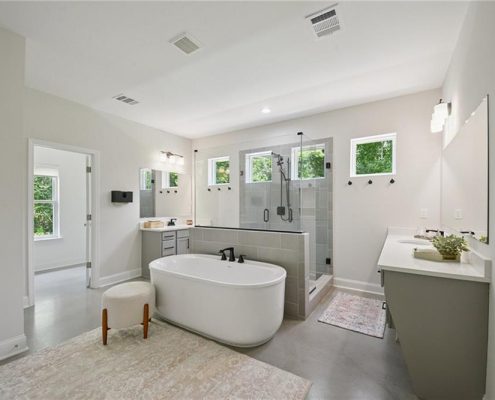
The latest trend in home design is captivating homeowners and designers alike with its simplicity and elegance. Single-material design, particularly in kitchens and bathrooms, is becoming increasingly popular for its ability to create a cohesive and visually striking space. This approach involves covering entire rooms – from floor to ceiling – in one continuous material, offering a modern take on traditional design aesthetics. Notable designers, including Chad James from Nashville and Megan Grehl from New York, have observed a growing demand for these unified spaces, particularly in areas where temperature resistance and durability are key. 

The concept extends beyond mere aesthetics; it is about enhancing a room's architecture and allowing the interplay of light to define the space throughout the day. However, implementing a single-material design requires a thoughtful approach to ensure that the space remains balanced and inviting. Here are some insights from industry experts on how to master this trend.

Designers emphasize the importance of tailoring material choices to the dimensions of the room. In smaller spaces, like powder rooms, a vibrant pattern can add depth and create the illusion of a larger area. In contrast, larger rooms can benefit from monochromatic colors and mixed textures within the same color palette to add interest without overwhelming the space.

Current trends lean towards monochromatic designs with bold colors. Inspired by the fashion industry, designers like Huma Sulaiman encourage homeowners to consider vibrant hues as neutral backdrops that allow furniture and décor to stand out. Whether you opt for furniture that contrasts with the background or pieces that complement the overarching tone, the right color choice can transform your space into a stylish and cohesive environment.

When selecting materials for your single-surface room, consider how different textures interact with natural light. Variations between matte and polished finishes can significantly affect the room's ambiance throughout the day. Observing how materials react to sunlight at different times can help avoid unwanted glare and create a more harmonious space.

Even within a single-material theme, there is room for creativity with patterns and scale. Planning the layout of patterns or combining different styles can enhance the room's aesthetic without diverging from the unified theme. Companies like Cosentino offer collections like Dekton Pietra Kode, which provide the beauty of natural stone with unique patterns and textures, ideal for large-format applications.

To balance the hardness of the surfaces and avoid a sterile look, integrate soft furnishings and decorative elements. Wallpaper, linen towels, and cozy rugs can add warmth and texture to a room dominated by hard materials. Choosing decor in the same color family as the main material can ensure cohesion, while contrasting elements can serve as focal points and add layers of interest.

Adopting a single-material design can make a bold statement and transform a conventional space into a stunning and unified environment. By considering space, color, light, pattern, and complementary decor, homeowners can create a timeless and sophisticated look that highlights both the beauty and functionality of their rooms.

Click Here For the Source of the Information.

end#

The Resurgence of the Dew Drop Inn: A Testament to Cultural and Historical Revival

In 2022, the Dew Drop Inn's nomination to the National Register of Historic Places was approved, not for its architectural merit, but for its undeniable cultural significance. Once the premier venue for Black musicians in segregated New Orleans from 1945 to 1965, the Dew Drop stands as a testament to the city's rich but complex history.

Founded by Frank Painia as a barbershop, the Dew Drop Inn expanded into a hotel, restaurant, and nightclub that quickly became a cornerstone of the Black community and the renowned Chitlin' Circuit. Painia's establishment offered a safe space during a time of harsh racial segregation, listed as a safe haven in the Negro Motorist Green Book.

The venue's legacy extends beyond music to embody progress in social justice and equality. Despite facing legal challenges, including police raids and arrests for violating segregation laws, Painia and his allies fought tirelessly for the rights of their patrons. The Dew Drop was more than a nightclub; it was a focal point for civil rights, challenging the status quo and advancing the cause of equality.

As the years passed, the Dew Drop's spotlight dimmed, performances ceased, and eventually, the building fell into disuse, especially after being damaged by Hurricane Katrina. However, the spirit of the Dew Drop refused to be quelled. Enter Kenneth Jackson, Painia's grandson, who sold the historic site to local investor Kenneth Doucette, sparking a new chapter in the Dew Drop's history.

Doucette embarked on a multi-year renovation project to restore the Dew Drop to its former glory, transforming it into a modern hotel, music venue, bar, and restaurant while preserving its historic essence. This revitalization effort has been a collaborative community endeavor, supported by a mix of private investment and public funding, including state and federal historic rehabilitation tax credits.

The restoration has meticulously preserved elements of the original architecture, blending them with modern amenities to cater to contemporary visitors while honoring the Inn's storied past. The hotel rooms, named after legendary artists and civil rights activists associated with the Dew Drop, serve as educational spaces, telling the stories of those who shaped the venue's legacy.

The project extends beyond the physical restoration of the building. It aims to rekindle the Dew Drop's role as a cultural hub, reintroducing live performances and becoming an anchor for cultural expression in the neighborhood. This revival not only pays homage to the past but also provides a platform for the future, inviting new generations to explore and partake in the rich tapestry of New Orleans' cultural history.

As the Dew Drop Inn readies to open its doors once again, it stands as a beacon of resilience, a celebration of Black culture, and a reminder of the power of community and perseverance. Through this revival, the Dew Drop Inn continues to make history, ensuring that the legacy of Frank Painia and the countless artists and activists who walked through its doors will continue to inspire and resonate within the heart of New Orleans.

Click Here For the Source of the Information.

end#

Selecting the Right Material for Your Home

The choice of your home's roofing material is more significant than many might believe. It not only plays a crucial role in protecting your dwelling from various weather conditions but also significantly influences the curb appeal and overall aesthetic of your home. According to Dan DiClerico, director of the Good Housekeeping Institute's Home Improvement & Outdoor Lab, a mismatched roof can drastically affect the appearance and functionality of your home.

Given the substantial investment involved – typically around $10,000 for a new roof – this decision warrants careful consideration. The selection process involves evaluating budget constraints, climatic conditions, installation complexities, and, importantly, how the roofing aligns with the architectural style of your home and its surrounding environment.

Diverse Roofing Options: Pros, Cons, and Considerations

1.  Reigning as the most common roofing choice in the U.S, asphalt shingles are valued for their cost-effectiveness and versatility. They come in various types, including 3-tab, dimensional, and luxury, each offering different aesthetic and durability levels. While asphalt is user-friendly and adaptable to many styles, it may not be the longest-lasting option, typically offering about 25 years of service.

2.  Offering a unique blend of natural aesthetics and performance, wood roofing materials like cedar shakes or shingles provide a rustic or distinctive look to homes from different eras. While wood offers natural energy efficiency and resistance to wind, it may not fare well in moist climates and generally requires a fire retardant in prone-to-fire areas.

3. For those planning long-term residence, slate offers unmatched longevity and classic beauty. Its resilience against severe weather makes it a formidable roofing material. However, its premium benefits come with a high cost and substantial weight, necessitating professional installation.

4.  Ideal for hot climates, these materials excel in resisting high temperatures and salty air. Their aesthetic versatility and longevity make them an attractive option for many homeowners, though the weight and cost can be prohibitive for some.

5.  A robust choice for harsh winter climates, metal roofing excels in shedding snow and resisting rust, especially with proper coatings. While offering a considerable lifespan, the initial cost and noise issues during rain or hail might deter some homeowners.

6.  In sunny locales, solar roofing can provide energy savings and environmental benefits. Despite the high initial outlay, the long-term energy production can offset costs, making it a forward-thinking choice for suitable homes.

7.  Offering ecological and aesthetic benefits, green roofs can extend roof life while enhancing home insulation. They do require more maintenance and a larger initial investment but are a sustainable option for environmentally conscious homeowners.

When selecting a roofing material, consider your home's architectural style and the common materials in your neighborhood to ensure harmony and appeal. Budget is a critical factor, but so is the material's durability and how well it matches the climate of your area. The complexity and cost of installation are also vital; lighter materials might be more manageable, but heavier, more durable options could offer longer-term benefits.

Ultimately, your roofing material shapes your home's character and resilience. By carefully weighing these factors, homeowners can make informed choices that balance aesthetics, functionality, and value, ensuring their home remains safe and stylish for years to come.

Click Here For the Source of the Information.

end#

Navigating the Spectrum: Selecting the Perfect Exterior House Colors

Choosing the right colors for your home's exterior can be an overwhelming task given the vast array of options available. However, making the right choice is crucial, not just for aesthetic appeal but also for ensuring the longevity of your satisfaction with the result, and potentially influencing future resale value.

One fundamental strategy is to consider the broader context of your neighborhood. Observing the color schemes of surrounding homes can guide you toward choices that complement the collective landscape without sacrificing your personal style. Striking the right balance between standing out and blending in is key.

The architectural style and era of your home play pivotal roles in color selection. Historical accuracy in color can enhance the architectural features of your home and pay homage to its origins. For instance, a Victorian-era home might embrace bold contrasts, while a mid-century modern home could favor a more subdued palette. Paint manufacturers often provide collections tailored to specific architectural styles, offering a useful starting point for your color journey.

Another critical aspect is the immutable features of your home, such as roofing, stonework, and driveways. These elements should inform your color choices, ensuring that your selections harmonize with these permanent fixtures rather than clash with them.

Drawing inspiration from the surrounding natural environment can also guide your color choices. Whether it's the lush greens of a wooded landscape or the muted tones of a beachfront setting, nature can provide a palette that enhances the natural beauty of your location.

The impact of light and dark colors on perception and aesthetics cannot be overstated. Lighter colors tend to make structures appear larger and more inviting, while darker shades can provide a sense of drama and sophistication but may make a home seem smaller. Understanding this dynamic can help in deciding how to balance light and dark tones on your home's exterior.

Finally, selecting a cohesive color family can create a harmonious and pleasing aesthetic. Choosing related shades for different parts of your home, such as the main body, trim, and accents, can produce a unified appearance. Contrast, when used judiciously, can add interest and character but should be employed carefully to avoid a chaotic look.

Ultimately, the right exterior color scheme not only makes your home a visual delight but also reflects your style and complements its natural and architectural surroundings. With thoughtful consideration and a keen eye for detail, you can select a color palette that makes your home a cherished and standout presence in your neighborhood.

Click Here For the Source of the Information.

Tuesday, February 20, 2024

Navigating the 2024 Housing Market: Trends and Predictions

As we delve into 2024, the housing market continues to be a source of anxiety for many prospective sellers and hopeful buyers. The dynamics of historically high home prices, tightening inventory, and fluctuating mortgage rates contribute to an environment of uncertainty and speculation. Understanding the current landscape and expert predictions can help stakeholders make informed decisions in this complex market.

Current State of the Housing Market

As of December 2023, the median sale price for existing homes in the U.S. reached $382,600, marking the sixth consecutive month of year-over-year increases. This trend underscores the persistent high demand and limited supply affecting the market. Additionally, the average 30-year mortgage rate, which experienced a peak above 8 percent in October 2023, has slightly decreased to 6.84 percent by the end of January 2024. While still higher than the rates many homeowners have locked in, this decrease offers a modest respite from the 20-year highs witnessed in recent times.

Inventory and Affordability Challenges

A critical factor influencing the housing market is the availability of inventory. According to the National Association of Realtors (NAR), the nation had a 3.2-month supply of housing inventory as of December, maintaining a seller's market status due to the low supply. This shortage continues to drive prices up, making affordability a significant hurdle for many buyers.

Price Trends and Economic Influences

Despite the tight inventory, home-price growth experienced a slight decline in November 2023, with a 0.2 percent drop, ending a nine-month streak of increases according to S&P CoreLogic's Case-Shiller Index. This indicates a potential cooling in the overheated market, albeit a minor one.

The broader economic context, including inflation rates and Federal Reserve policies, plays a crucial role in shaping mortgage rates and, by extension, the housing market. The U.S. inflation rate stood at 3.4 percent as of December 2023, still above the Fed's target of 2 percent. The Federal Reserve's actions in response to inflation, particularly its interest rate policies, have a direct impact on mortgage rates.

What to Expect in 2024

The housing market in 2024 is poised for change, influenced by a mix of economic factors and market dynamics. Greg McBride, CFA, and chief financial analyst for Bankrate, suggests that mortgage rates are expected to trend lower throughout the year as inflation pressures ease and the Fed begins to cut short-term interest rates. However, he cautions that rates may not fall below 6 percent until later in the year, and a significant economic slowdown could lead to more substantial decreases in mortgage rates.

Looking Ahead

While the market remains a seller's domain due to low inventory levels, buyers may find opportunities as mortgage rates begin to decrease. However, affordability will continue to be a challenge, particularly in markets with severe inventory shortages. Prospective buyers should stay informed, seek preapproval for mortgages, and remain flexible in their housing needs and locations.

For sellers, the market still favors those looking to list their homes, but pricing strategies may need adjustment as the market stabilizes and buyers become more sensitive to rate changes and overall costs.

Conclusion

The 2024 housing market presents a complex interplay of economic factors, from mortgage rates influenced by Federal Reserve policies to inventory levels that dictate market dynamics. Both buyers and sellers must navigate these challenges thoughtfully, armed with the latest data and trends. As the market evolves, staying informed and working with knowledgeable real estate professionals will be key to successfully managing the uncertainties of the current housing landscape.

Click Here For the Source of the Information.

New Orleans Convention Center Eyes Major Hotel Project with Omni Hotels & Resorts

The Ernest N. Morial Convention Center in New Orleans is once again at the forefront of discussions regarding the construction of a new hotel aimed at boosting the city's convention and tourism sector. Michael Sawaya, CEO of the convention center, has announced renewed talks with Omni Hotels & Resorts to develop a potential 1,000-room hotel at the upriver end of the convention center.

A Renewed Vision for Growth

This proposal marks a significant step forward in a long-held aspiration by the convention center's management to add a dedicated hotel to its facilities. The idea, first proposed in 2014, aims to enhance the competitiveness of the New Orleans convention center against national counterparts, many of which already boast attached hotels.

Financial and Logistical Challenges

However, the project faces notable hurdles, primarily due to the steep rise in construction costs. Sawaya highlighted the current expense of building a hotel room, which has skyrocketed to almost $600,000, pushing the overall cost of the proposed project to around $600 million. This estimate far exceeds the costs of similar projects, such as the Signia Hilton Hotel developed by the Georgia World Congress Center Authority.

Adding complexity to the endeavor is the anticipated overhaul of the convention center's board, coinciding with the tenure of newly elected Governor Jeff Landry. Moreover, unlike previous proposals, this project demands substantial direct investment from the convention center, requiring significant public financial support from both city and state sources.

The River District Development

The hotel is envisioned as part of the larger River District project, a $1 billion initiative aiming to transform over 50 acres of adjacent undeveloped land into a vibrant new neighborhood. The ambitious plan includes office spaces, residential units, additional hotels, restaurants, and entertainment venues, promising to reinvigorate the area's economic landscape.

Past Obstacles and Future Prospects

Previous attempts to realize such a hotel faced criticism over the perceived excessive public subsidies offered to developers, leading to the abandonment of a 1,200-room hotel proposal at the end of 2020. However, the convention center, undeterred, has refined its approach, considering a more modest 600-room hotel following a feasibility study by HVS, suggesting that a smaller scale could prove profitable within three years.

Looking Ahead

The prospect of a new hotel coincides with a brighter outlook for the convention and business travel industry, which is rebounding strongly post-pandemic. The Global Business Travel Association's latest report forecasts a return to pre-pandemic spending levels, with a projected increase to $1.8 trillion by 2027.

As discussions with Omni Hotels & Resorts progress, New Orleans stands on the cusp of a significant development that could reshape its convention and tourism landscape. While challenges remain, the potential benefits of this project could usher in a new era of growth and prosperity for the city.

Click Here For the Source of the Information.

2024: A Promising Year for Potential Homebuyers

As we step into 2024, potential homebuyers might see a light at the end of the tunnel due to unique market conditions. According to Thomas Eller, Vice President and Senior Mortgage Loan Officer at Raleigh's North State Bank, now could be the optimal time for those considering purchasing a home, especially before anticipated changes in mortgage rates.

Mortgage Rates Normalizing

Eller advises potential buyers to stay vigilant for housing opportunities throughout 2024. He predicts that while immediate drops in mortgage rates should not be expected, there is a forecasted decrease to the low sixes by the end of the year according to Freddie Mac and the Mortgage Bankers Association. This anticipated drop could present a golden opportunity for buyers to lock in rates before they fall further, potentially leading to increased competition. Eller suggests that the savvy move is to buy now and consider refinancing later as rates decrease, highlighting the average seven-year lifespan of a loan.

The Rebounding Market

Despite a slow rebound, the Triangle MLS data indicates a tight market, with a continued low supply of homes. This situation underscores a pressing need for more listings to accommodate the growing number of new residents. Eller believes securing a property now and refinancing later remains a prudent investment compared to waiting for more favorable conditions that might not materialize as expected.

Incentives for Early Buyers

2024 presents various incentives for early homebuyers, particularly from builders and sellers eager to close deals. Eller points out the advantages of current market concessions, such as a two-year buydown on mortgage rates, which could significantly benefit buyers planning to refinance within a couple of years. These incentives are designed to offset the higher rates initially paid by the buyers, providing a cushion and making the initial purchase more appealing despite the higher interest rates.

Making Informed Decisions

It's crucial for buyers to understand that mortgage rates might not return to the historic lows seen in recent years. However, rates in the high fives or low sixes are still considerably lower than the historical average. Eller emphasizes the importance of weighing the current incentives against future rate reductions, suggesting that waiting for a slight rate decrease might not outweigh the benefits available now, especially as house prices continue to rise.

Financial Considerations

Eller advises buyers to focus on what monthly payment they can afford rather than fixating on the fluctuating rates. He points out that the significant investment of purchasing a home should be approached with a clear understanding of one's financial limits and the available assistance programs, such as down payment help for first-time buyers. The current incentives can provide more flexibility in monthly payments, making homeownership more accessible.

As 2024 unfolds, the advice from experts like Thomas Eller suggests that potential buyers should consider entering the market sooner rather than later to make the most of the unique circumstances. With mortgage rates expected to normalize and valuable incentives on the table, this year could be an opportune time for many to achieve their homeownership dreams.

Click Here For the Source of the Information.

Top Tips for Home Buyers in 2026

  What to Do and What to Avoid as a Home Buyer As the real estate market continues to evolve, tips for home buyers are important, as 2026 ...